New Doors · Milton
Commercial Rolling Door Repair
Cold-weather moisture has frozen the bottom seal to the sill, and salty grit has collected along the guide entrances. The door chatters during its first cycle and leaves a visible gap after it reaches the closed limit.
Commercial Rolling Door Repair
In plain words
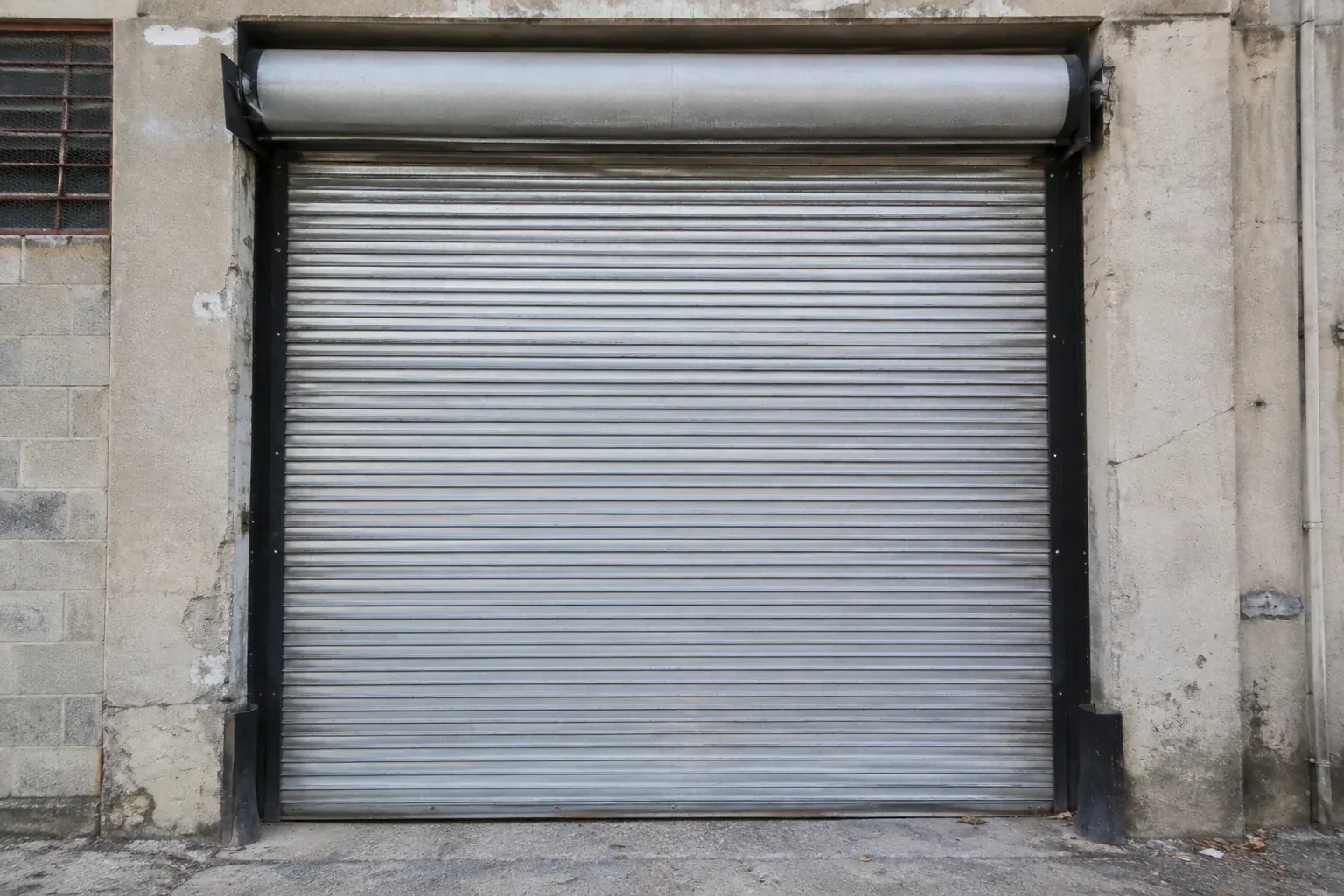
Exterior rolling doors work at the boundary between indoor operations and winter weather. Hardened bottom seals leave daylight, ice holds the bar to the sill, and salt-laden grit can collect where the curtain enters its guides. Service separates weather effects from alignment or balance faults, cleans the travel path and renews damaged sealing parts where included. The curtain is then checked for even contact at the floor and smooth entry into the coil. Care guidance focuses on keeping drains, guides, sensor faces and the threshold clear while using only the lubricant named for the door.
How the visit goesA metallic clatter now comes from inside the hood whenever the curtain coils. The sound follows each revolution, the travel has become jerky, and fine metal dust is visible near one bracket and bearing.
Milton
How the visit goes
Control both sides of the opening
A commercial doorway joins two active work areas, so assessment begins by making the space predictable. Vehicle routes, pedestrian paths, stacked goods and scheduled deliveries are identified on the inside and outside. The control station and electrical disconnect are located, and the curtain's current position is considered before anyone approaches the guides or hood. Barriers and a site contact keep movement coordinated while inspection is underway. With the traffic area settled, the technician can observe the door deliberately and secure it in the position needed for measurements instead of working around changing facility activity.
Renew damaged curtain sections
When damage is confined to serviceable slats or a section of sheet curtain, the affected material is brought to an accessible position and supported. Endlocks, windlocks or fasteners are removed in the sequence suited to that construction, the distorted pieces are separated, and compatible replacements are fitted with the correct orientation and spacing. Adjacent material is checked because impact can stretch joints beyond the obvious dent. The repaired curtain is guided through the opening by hand under control, confirming that the new section flexes into the coil and travels past the guide entrances without catching.
Practical protection from another impact
A repaired impact area offers useful evidence for prevention. The technician can show where the vehicle contacted the guide, bottom bar or curtain and which travel lane placed it there. Facility managers can respond with visible floor markings, adjusted staging, guide guards or a revised stopping point where those choices suit the site. Operators should report even a light strike because a guide can move before damage looks dramatic. Checking bottom-bar level, guide clearance and fasteners after contact turns a small event into a manageable inspection instead of allowing repeated cycles to spread distortion through the curtain.
Commercial Rolling Door Repair
In the van
- Barrel and headplate brackets
- Roller chain and sprockets
- Bearings and tension wheel
- Operator brake and limits
- Guides and bellmouths
What affects the quote
Same fees day, night or weekend
1Protective device scope
Photoelectric sensors, sensing edges, light arrays and vehicle-detection accessories serve defined roles. Quantity, mounting, wiring condition and operator requirements determine repair and test work.
2Counterbalance condition
Spring adjustment, bearing service and replacement of worn barrel-related parts require different labour and controls. Door weight, spring arrangement and operating position shape the counterbalance plan.
3Curtain position when work begins
A curtain resting closed, stopped mid-travel or held near the hood presents a different securing and access plan. Its position affects how components can be reached and supported.
Commercial Rolling Door Repair: questions
What gets tested before the door returns to use?
Testing follows the repaired system and can include full travel, curtain tracking, bottom-bar level, open and closed limits, manual effort, brake action, controls, locks, interlocks and protective-device response. Several controlled cycles help reveal repeated contact or noise. The completed record names the checks performed instead of relying on a general statement that the door operates.
How can repeated vehicle damage be reduced?
Start with the impact pattern and traffic route. Guide guards, bollards, visible floor markings, mirrors, revised staging, vehicle-detection accessories or a different control position may help, depending on the site. Operators should report contact before more cycles spread a guide or curtain defect. Any protective addition must preserve required clearances and door operation.
How should we prepare the loading area?
Move vehicles, pallets and loose packaging away from both faces of the opening, and identify an alternate route for staff and deliveries. Provide access to the control station, disconnect and any door records. A facility contact who understands normal operation and can authorise testing makes it easier to reproduce the complaint under controlled conditions.
Installation & Upgrades
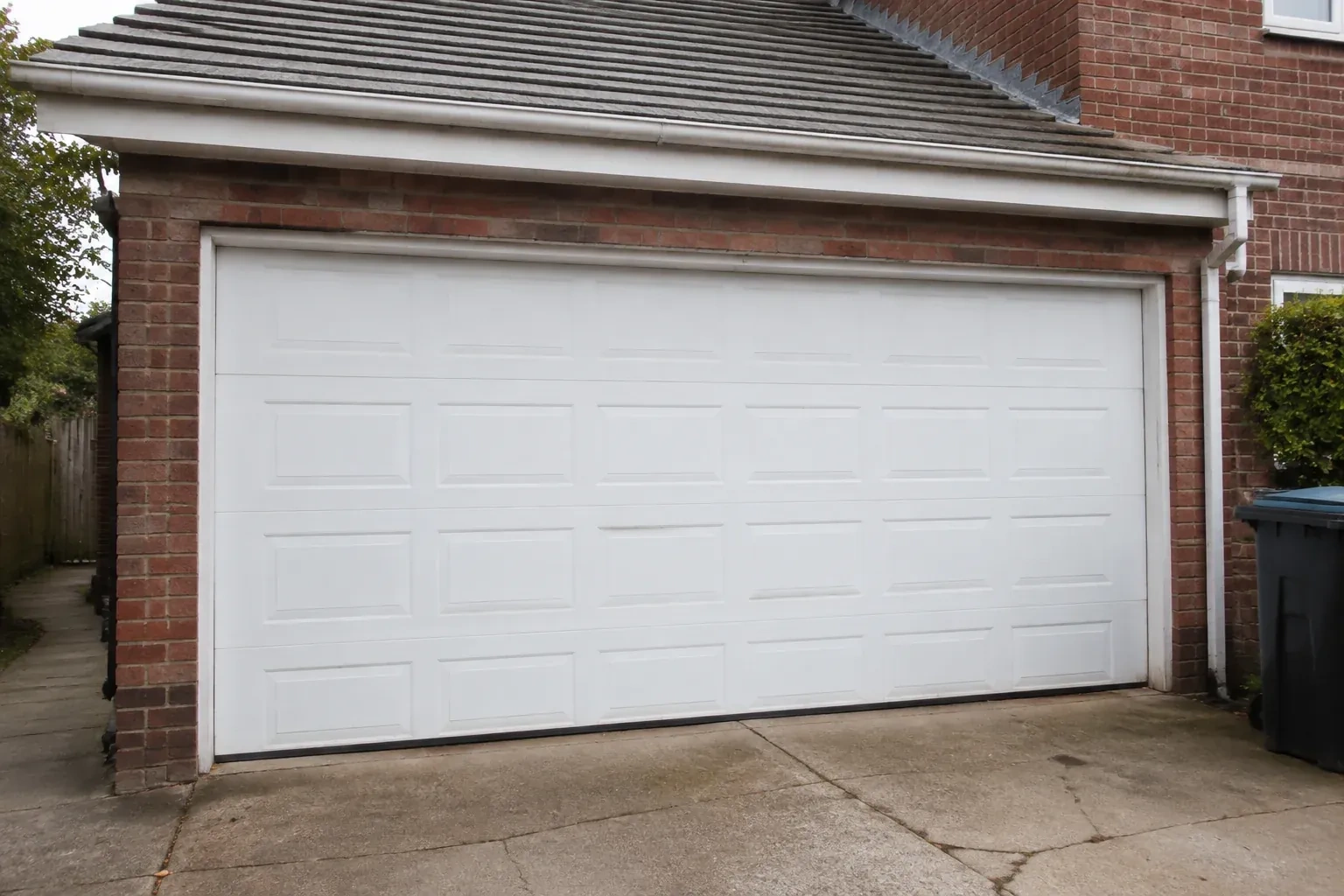
- Insulated Steel Garage Door InstallationA refreshed exterior has made the faded garage door stand out.
- Wind-Rated Garage Door ReplacementThe property faces open fields, leaving the garage frontage more exposed than neighbouring homes…
- Carriage-House Garage Door InstallationTwo garage openings sit side by side, and small differences in window spacing or decorative…
Commercial Rolling Door Repair near you
The list below is what a garage door technician in Milton actually does in a week: replaces springs and cables, resets doors that jumped the track, fixes and replaces openers, programs remotes and keypads, changes seals and rollers, tunes and balances doors, and installs new ones.